

1. What Is Japanese Shredded Cabbage Salad?
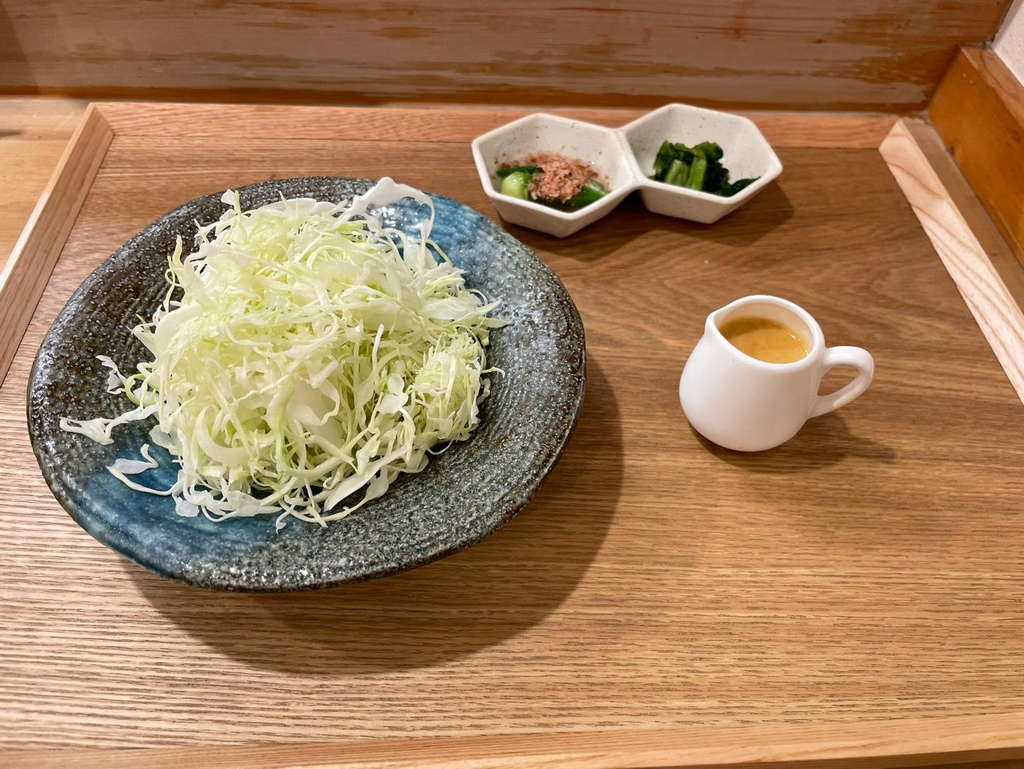
Japanese Shredded Cabbage Salad (キャベツの千切り), known as Kyabetsu no Sengiri, is a simple Japanese side dish made with finely sliced fresh cabbage.
It is commonly served alongside popular Japanese meals such as Tonkatsu (breaded pork cutlets), Karaage (Japanese fried chicken), and other crispy fried dishes.
Unlike complicated salads with numerous ingredients, this dish celebrates the natural sweetness, freshness, and crunchy texture of cabbage.
Japanese restaurants often serve it in generous portions, sometimes accompanied by lemon wedges, sesame dressing, or Japanese mayonnaise.
The secret to this simple salad is cutting the cabbage extremely thin, creating delicate, crisp strands that refresh the palate between bites.
2. Why Is Shredded Cabbage Popular in Japan?
Shredded cabbage has become an essential part of Japanese restaurant dining.
It is particularly associated with Tonkatsu restaurants, where it is served alongside crispy fried pork cutlets.
The combination works beautifully because the fresh cabbage balances the richness of fried food.
Over time, shredded cabbage became popular in Japanese households because it is inexpensive, nutritious, easy to prepare, and suitable for many different meals.
Today, it is commonly found in restaurants, bento boxes, family dinners, and convenience-store meals.
3. What Makes Japanese Shredded Cabbage Special?
| Feature | Description |
|---|---|
| Main ingredient | Fresh green cabbage |
| Preparation | Finely shredded |
| Texture | Light, delicate, and crunchy |
| Flavour | Mild and naturally sweet |
| Cooking method | Usually served raw |
| Serving temperature | Chilled |
| Common dressing | Sesame dressing, ponzu, or mayonnaise |
The defining feature is the cutting technique. Thin cabbage strands create a light texture that is different from ordinary chopped cabbage salads.
4. Ingredients Needed to Make Japanese Shredded Cabbage Salad
This simple recipe makes approximately four side-dish servings.
A. Main Ingredients
| Ingredient | Quantity |
|---|---|
| Fresh green cabbage | ½ medium head |
| Cold water | As needed |
| Ice cubes | Optional |
| Lemon | ½, cut into wedges |
| Toasted sesame seeds | 1 teaspoon |
B. Optional Sesame Dressing
| Ingredient | Quantity |
|---|---|
| Japanese sesame paste or ground sesame seeds | 2 tablespoons |
| Soy sauce | 1 tablespoon |
| Rice vinegar | 1 tablespoon |
| Sugar | 1 teaspoon |
| Sesame oil | 1 teaspoon |
| Water | 1–2 tablespoons |
You can also serve the cabbage with Japanese mayonnaise, ponzu sauce, or a simple squeeze of lemon.
5. How to Make Japanese Shredded Cabbage Salad
Step 1: Select Fresh Cabbage
Choose a fresh cabbage with tightly packed leaves and a firm texture.
Remove any damaged or wilted outer leaves.
Wash the cabbage thoroughly under clean running water.
Step 2: Remove the Core
Cut the cabbage into manageable sections.
Remove the hard central core because it can make shredding more difficult.
Separate the leaves if necessary.
Step 3: Slice the Cabbage Thinly
Place a cabbage section flat on a clean cutting board.
Using a sharp knife, slice it into extremely thin strips.
Aim for approximately 1–2 mm thickness.
For more consistent results, use a Japanese cabbage slicer or mandoline, following its safety instructions.
Step 4: Soak in Cold Water
Place the shredded cabbage in a large bowl filled with cold water.
Add a few ice cubes if desired.
Allow it to soak for approximately 5–10 minutes.
This helps the cabbage become crisp and refreshing.
Step 5: Drain Thoroughly
Transfer the cabbage to a colander.
Remove as much water as possible.
A salad spinner is especially useful for drying the thin cabbage strands.
Excess moisture can dilute the dressing, so this step is important.
Step 6: Prepare the Sesame Dressing
In a small bowl, combine sesame paste, soy sauce, rice vinegar, sugar, sesame oil, and water.
Whisk until smooth.
Adjust the consistency by adding a little more water if necessary.
Step 7: Arrange and Serve
Place the shredded cabbage in a serving bowl or on individual plates.
Sprinkle with toasted sesame seeds.
Serve with lemon wedges and your preferred dressing on the side.
Your fresh Japanese Shredded Cabbage Salad is ready to enjoy!
6. Popular Japanese Cabbage Salad Variations
Although plain shredded cabbage is the traditional restaurant-style accompaniment, several variations are popular.
| Variation | Ingredients | Special Feature |
|---|---|---|
| Classic Kyabetsu Salad | Fresh shredded cabbage | Naturally sweet and crunchy |
| Sesame Cabbage Salad | Sesame dressing | Nutty and savoury |
| Lemon Cabbage Salad | Fresh lemon juice | Light and refreshing |
| Ponzu Cabbage Salad | Ponzu sauce | Citrus and soy flavour |
| Spicy Cabbage Salad | Chilli oil and sesame | Adds gentle heat |
| Cabbage and Carrot Salad | Cabbage and carrots | Extra colour and crunch |
You can also add thinly sliced cucumber, radish, or spring onions for additional freshness.
7. Best Japanese Dishes to Serve with Shredded Cabbage
Japanese shredded cabbage is particularly delicious alongside fried, grilled, and savoury dishes.
| Japanese Dish | Why It Pairs Well |
|---|---|
| Tonkatsu | Balances the richness of crispy pork. |
| Karaage | Refreshes the palate after fried chicken. |
| Teba Shio | Complements savoury grilled chicken wings. |
| Tsukune | Adds a fresh contrast to glazed chicken skewers. |
| Japanese Chicken Curry | Provides a crunchy vegetable side. |
| Oyakodon | Adds freshness to a soft chicken and egg rice bowl. |
For a classic Japanese restaurant-style meal, serve shredded cabbage with Tonkatsu, steamed rice, and miso soup.
8. Professional Tips for Perfect Japanese Shredded Cabbage
Follow these tips to achieve restaurant-quality cabbage at home.
- Choose fresh cabbage: Firm, fresh leaves produce better results.
- Use a sharp knife: Sharp blades help create clean, thin strands.
- Slice consistently: Uniform pieces improve the texture and appearance.
- Soak briefly in cold water: This helps refresh the cabbage.
- Dry thoroughly: Excess water makes the salad less enjoyable.
- Keep it chilled: Cold cabbage tastes particularly refreshing.
- Serve dressing separately: This helps maintain its natural crunch.
- Prepare shortly before serving: Freshly shredded cabbage has the best texture.
Chef’s tip: If you want extremely fine cabbage strands like those served in Japanese Tonkatsu restaurants, use a dedicated cabbage slicer rather than chopping with a regular knife.
9. How to Store Japanese Shredded Cabbage
Freshly shredded cabbage tastes best immediately after preparation, but you can store it for later use.
| Storage Method | Recommendation |
|---|---|
| Refrigerator | Store in an airtight container at 4°C (40°F) or below. |
| Best quality | Ideally consume within 1–2 days. |
| Room temperature | Do not leave out for more than 2 hours. |
| Freezing | Not recommended for raw salad. |
Keep the cabbage dry and refrigerate promptly.
For the best results, store the dressing separately and add it immediately before serving.
10. A Little Story: A Japanese Restaurant Lunch
Imagine entering a traditional Tonkatsu restaurant in Japan.
A beautifully arranged plate arrives at your table, featuring a golden, crispy pork cutlet beside a generous pile of finely shredded cabbage.
The cabbage looks almost like delicate white ribbons.
You add a little sesame dressing and take a bite.
Its refreshing crunch balances the richness of the fried pork, making every mouthful feel lighter.
A bowl of steamed rice and warm miso soup completes the meal.
This is the charm of Japanese shredded cabbage: a simple side dish that plays an important role in creating a balanced and enjoyable dining experience.
11. Frequently Asked Questions (FAQs)
Q1. What does Kyabetsu no Sengiri mean?
Kyabetsu means cabbage, while sengiri refers to cutting ingredients into thin strips. Together, the phrase describes finely shredded cabbage.
Q2. Why do Japanese restaurants serve shredded cabbage with fried food?
Its refreshing crunch and mild flavour provide a pleasant contrast to rich, crispy fried dishes.
Q3. How thin should Japanese shredded cabbage be?
Approximately 1–2 mm is a useful target for delicate restaurant-style cabbage.
Q4. Should I soak shredded cabbage in cold water?
Yes. A short soak in cold water can help refresh the cabbage and improve its crisp texture. Drain and dry it thoroughly afterwards.
Q5. Can I use red cabbage instead of green cabbage?
Yes. Red cabbage is suitable, although its flavour and texture are slightly different.
Q6. Is Japanese shredded cabbage healthy?
Cabbage is a low-calorie vegetable that provides fibre, vitamin C, and vitamin K. The nutritional value of the finished salad depends on its dressing and serving size.
Q7. What dressing is best for Japanese cabbage salad?
Sesame dressing, ponzu, Japanese mayonnaise, and fresh lemon juice are all excellent options.
Q8. Can I prepare shredded cabbage in advance?
Yes. Wash, shred, dry, and refrigerate it in an airtight container. For the best texture, prepare it shortly before serving.
12. Final Thoughts
Japanese Shredded Cabbage Salad (キャベツの千切り) proves that delicious food does not always require complicated ingredients or cooking techniques.
With fresh cabbage, careful slicing, and a little attention to texture, you can create a refreshing side dish that complements almost any Japanese meal.
Whether served with Tonkatsu, Karaage, grilled chicken, or homemade curry, this simple salad brings freshness and crunch to your dining table.
Try this easy Japanese preparation at home and enjoy one of the most familiar accompaniments in Japanese restaurant culture.
Discover more authentic Japanese recipes, traditional dishes, and culinary guides at JapanFoodGuide.com.
Helpful Resources and Further Reading
- Just One Cookbook – Japanese Recipes
- Kikkoman – Japanese Recipes and Cooking Ideas
- Taste of Japan – Japanese Food and Recipes
- Japan National Tourism Organization – Japanese Food Culture
- Japan Guide – Japanese Cuisine
This article is independently written for JapanFoodGuide.com. The explanations and instructions use original wording, with the resources provided for further culinary learning.
Leave a Reply