
1. What Is Yakisoba?
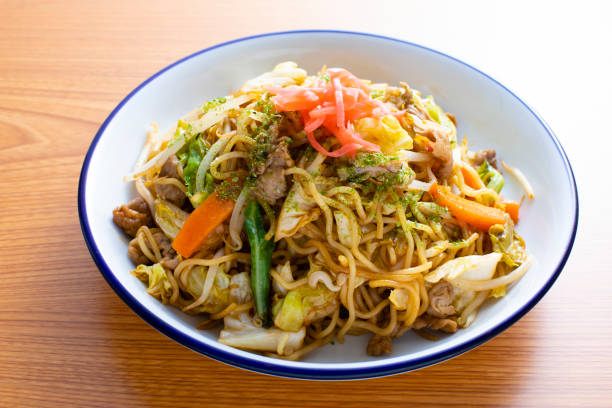
Yakisoba (焼きそば) is a popular Japanese stir-fried noodle dish made with wheat noodles, vegetables, meat, and a delicious savoury sauce.
Despite the word soba in its name, traditional Yakisoba is generally prepared using Chinese-style wheat noodles rather than buckwheat soba noodles.
The dish is cooked over high heat, allowing the noodles and vegetables to develop a wonderful combination of smoky, sweet, and savoury flavours.
Yakisoba is commonly sold at Japanese street festivals, food stalls, restaurants, and convenience stores. It is also a favourite homemade meal because it is quick, affordable, and easy to customise.
The secret of great Yakisoba is the combination of chewy noodles, colourful vegetables, and a rich Japanese Worcestershire-style sauce.
2. The History of Yakisoba in Japan
Yakisoba became popular in Japan during the twentieth century, influenced by Chinese-style stir-fried noodle dishes.
As Japanese street-food culture developed, vendors adapted these noodles using locally available ingredients and Japanese-style sauces.
The dish became especially popular after World War II because it was inexpensive, filling, and easy to prepare.
Today, Yakisoba is closely associated with Japanese summer festivals, known as Matsuri (祭り), where it is cooked on large iron griddles and served hot.
It is also enjoyed at home, often as a quick lunch or casual dinner.
3. What Makes Japanese Yakisoba Special?
| Feature | Description |
|---|---|
| Japanese name | Yakisoba (焼きそば) |
| Main ingredient | Chinese-style wheat noodles |
| Protein | Pork, chicken, or seafood |
| Vegetables | Cabbage, carrots, and onions |
| Main seasoning | Yakisoba sauce |
| Cooking method | Stir-frying |
| Texture | Soft and slightly chewy |
| Flavour | Sweet, savoury, and tangy |
| Serving temperature | Hot |
One of the most important elements is the sauce. Its combination of fruity sweetness, savoury seasoning, and mild acidity gives Yakisoba its distinctive flavour.
4. Ingredients Needed to Make Japanese Yakisoba
This homemade recipe makes approximately three servings.
A. Main Ingredients
| Ingredient | Quantity |
|---|---|
| Yakisoba noodles | 450 g |
| Thinly sliced pork belly | 150 g |
| Green cabbage | 200 g |
| Carrot | ½ medium |
| Onion | ½ medium |
| Vegetable oil | 1 tablespoon |
| Salt | To taste |
| Black pepper | To taste |
B. Homemade Yakisoba Sauce
| Ingredient | Quantity |
|---|---|
| Worcestershire sauce | 2 tablespoons |
| Oyster sauce | 1 tablespoon |
| Soy sauce | 1 tablespoon |
| Ketchup | 1 tablespoon |
| Sugar | 1 teaspoon |
C. Traditional Toppings
- Aonori (Japanese dried green seaweed).
- Beni shoga (Japanese red pickled ginger).
- Katsuobushi (bonito flakes).
- Japanese mayonnaise.
- Toasted sesame seeds.
Ingredient tip: Fresh or refrigerated Yakisoba noodles are ideal. If unavailable, use plain Chinese-style wheat noodles without seasoning packets.
5. How to Make Japanese Yakisoba Step by Step
Step 1: Prepare the Vegetables
Wash the cabbage, carrot, and onion thoroughly.
Cut the cabbage into bite-sized pieces.
Slice the carrot into thin strips.
Cut the onion into thin slices.
Keeping the vegetables similar in size helps them cook evenly.
Step 2: Prepare the Pork
Cut the pork belly into small, thin pieces.
Season lightly with salt and black pepper.
You can substitute chicken, beef, shrimp, or tofu according to your preference.
Step 3: Prepare the Yakisoba Sauce
In a small bowl, combine Worcestershire sauce, oyster sauce, soy sauce, ketchup, and sugar.
Mix until the sugar dissolves.
Taste the sauce and adjust the sweetness or saltiness if necessary.
Step 4: Prepare the Noodles
If using refrigerated Yakisoba noodles, gently loosen them according to the package instructions.
If they are stuck together, warm them briefly or rinse them according to the manufacturer’s directions.
Drain thoroughly if water is used.
Avoid breaking the noodles while separating them.
Step 5: Cook the Pork
Heat vegetable oil in a large frying pan or wok over medium-high heat.
Add the pork pieces.
Stir-fry until the meat is cooked through and lightly browned.
Step 6: Add the Vegetables
Add the onion and carrot to the pan.
Stir-fry for approximately 1–2 minutes.
Add the cabbage and continue cooking until it begins to soften.
Avoid overcooking because the vegetables should retain some texture.
Step 7: Add the Noodles
Add the prepared noodles to the pan.
Use chopsticks or tongs to separate them gently.
Toss the noodles with the meat and vegetables.
If necessary, add a small splash of water to loosen them.
Step 8: Add the Yakisoba Sauce
Pour the prepared sauce evenly over the noodles.
Toss everything together until the noodles are thoroughly coated.
Continue stir-frying briefly so the sauce combines with the ingredients.
Step 9: Check the Seasoning
Taste the noodles.
Add a little more sauce if necessary.
Make sure the pork is fully cooked and the vegetables remain pleasantly tender.
Step 10: Serve with Traditional Toppings
Transfer the Yakisoba to serving plates.
Sprinkle aonori over the noodles.
Add beni shoga and katsuobushi if available.
Japanese mayonnaise can also be drizzled on top.
Your homemade Japanese Yakisoba is ready to enjoy!
6. Popular Variations of Japanese Yakisoba
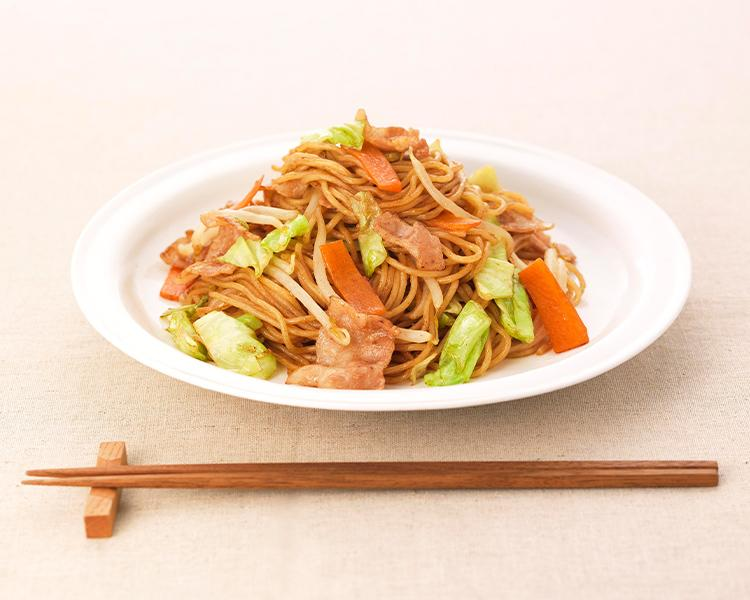
Yakisoba is easy to customise using different proteins, vegetables, and seasonings.
| Variation | Main Ingredients | Special Feature |
|---|---|---|
| Classic Yakisoba | Pork, cabbage, and noodles | Traditional street-food flavour |
| Chicken Yakisoba | Chicken and vegetables | Lighter protein option |
| Seafood Yakisoba | Shrimp, squid, and noodles | Fresh seafood flavour |
| Vegetable Yakisoba | Mixed vegetables and noodles | Vegetarian-friendly option |
| Beef Yakisoba | Beef and cabbage | Rich savoury taste |
| Spicy Yakisoba | Chilli and garlic | Hot and bold flavour |
| Shio Yakisoba | Salt-based seasoning | Lighter, less sweet taste |
Another popular Japanese variation is Omusoba, where Yakisoba is wrapped in a thin omelette.
7. Best Japanese Dishes to Serve with Yakisoba
Yakisoba can be enjoyed as a complete meal or alongside other Japanese favourites.
| Japanese Dish | Why It Pairs Well |
|---|---|
| Japanese Egg Sandwich | Offers a soft and creamy contrast. |
| Japanese Potato Salad | Adds a cool and refreshing side. |
| Miso Soup | Complements the savoury noodles. |
| Japanese Kani Salad | Provides a light seafood-inspired side. |
| Gyoza | Creates a classic Japanese noodle-shop combination. |
| Onigiri | Makes a filling Japanese-style meal. |
| Japanese Spinach Gomaae | Adds freshness and nutty flavour. |
For a traditional Japanese festival-style meal, serve Yakisoba with chilled green tea and a small portion of Japanese pickled vegetables.
8. Professional Tips for Perfect Yakisoba
Follow these techniques to prepare restaurant-quality Japanese stir-fried noodles.
- Use the right noodles: Choose wheat-based Yakisoba noodles rather than buckwheat soba.
- Prepare ingredients beforehand: Stir-frying happens quickly, so have everything ready.
- Use a large pan: This prevents overcrowding and helps ingredients cook evenly.
- Cook protein first: Ensure meat is fully cooked before combining it with the vegetables.
- Avoid overcooking vegetables: A little crunch improves the final texture.
- Separate noodles gently: This prevents unnecessary breakage.
- Balance the sauce: Adjust sweetness, saltiness, and acidity according to taste.
- Cook over medium-high heat: This helps create the characteristic stir-fried flavour.
Chef’s tip: If your pan is small, cook the ingredients in batches. Overcrowding can release excess moisture and make the noodles soggy instead of lightly stir-fried.
9. How to Store Japanese Yakisoba
Yakisoba tastes best immediately after cooking, but leftovers can be stored safely.
| Storage Method | Recommendation |
|---|---|
| Refrigerator | Store in an airtight container at 4°C (40°F) or below. |
| Best quality | Consume within 1–2 days. |
| Freezing | Freeze in individual portions for up to 1 month for best quality. |
| Reheating | Heat thoroughly in a frying pan or microwave. |
| Room temperature | Do not leave out for more than 2 hours. |
Store leftover Yakisoba promptly after cooking.
When reheating, add a small splash of water to help loosen the noodles and restore moisture.
10. A Little Story: A Japanese Summer Festival
Imagine walking through a lively Japanese summer festival.
Colourful lanterns hang above the streets, traditional music fills the air, and food stalls line the festival grounds.
A delicious aroma catches your attention.
A vendor is cooking Yakisoba on a large iron griddle.
Fresh cabbage, sliced pork, and noodles are tossed together with a rich brown sauce.
The vendor finishes the dish with green seaweed powder and bright red pickled ginger.
You receive a warm plate and take your first bite.
The noodles are chewy, the vegetables are tender, and the sauce delivers a perfect combination of sweetness and savoury flavour.
That is the charm of Yakisoba: a simple noodle dish that captures the excitement and warmth of Japanese street-food culture.
11. Frequently Asked Questions (FAQs)
Q1. What does Yakisoba mean in Japanese?
Yakisoba (焼きそば) means grilled or stir-fried noodles. Yaki means grilled or cooked, while soba refers to noodles.
Q2. Are traditional Yakisoba noodles made from buckwheat?
No. Most traditional Yakisoba dishes use Chinese-style wheat noodles rather than buckwheat soba noodles.
Q3. What is Yakisoba sauce made of?
It commonly contains Worcestershire-style sauce, soy sauce, oyster sauce, and other sweet and savoury seasonings.
Q4. Can I make Yakisoba without pork?
Yes. Chicken, beef, shrimp, tofu, or additional vegetables are excellent alternatives.
Q5. Can I use ordinary spaghetti instead of Yakisoba noodles?
Yes, in an emergency. Cooked spaghetti can be used, although the texture and flavour will differ from traditional Japanese wheat noodles.
Q6. Why are my Yakisoba noodles soggy?
Overcrowding the pan, using too much water, or overcooking vegetables can make the noodles soggy. Use high enough heat and cook in batches when necessary.
Q7. Is Yakisoba spicy?
Traditional Yakisoba is generally not very spicy. You can add chilli oil, chilli flakes, or Japanese chilli seasoning if you prefer heat.
Q8. What is the difference between Yakisoba and Yaki Udon?
Yakisoba uses thin wheat noodles, while Yaki Udon uses thick, chewy Japanese udon noodles.
Q9. Can Yakisoba be made vegetarian?
Yes. Use tofu or vegetables instead of meat and choose a vegetarian sauce without oyster sauce or other animal-derived ingredients.
12. Final Thoughts
Yakisoba (焼きそば) is one of Japan’s most loved noodle dishes, combining chewy wheat noodles, fresh vegetables, and a delicious sweet-and-savoury sauce.
Its simple preparation, flexible ingredients, and distinctive street-food flavour make it an excellent choice for quick lunches and satisfying dinners.
Whether you prefer traditional pork Yakisoba, seafood noodles, or a colourful vegetarian version, this dish brings the excitement of Japanese street food into your kitchen.
Try this homemade recipe and enjoy the delicious taste of Japanese stir-fried noodles.
Explore more authentic Japanese recipes, traditional dishes, and culinary guides at JapanFoodGuide.com.
Helpful Resources and Further Reading
- Just One Cookbook – Yakisoba Recipe and Video
- Kikkoman – Japanese Recipes and Cooking Ideas
- Taste of Japan – Japanese Food and Recipes
- Japan National Tourism Organization – Japanese Food Culture
- Japan Guide – Japanese Cuisine
This article is independently written for JapanFoodGuide.com. The explanations and cooking instructions use original wording, with the supplied recipe provided as inspiration and for further culinary learning.
Leave a Reply