
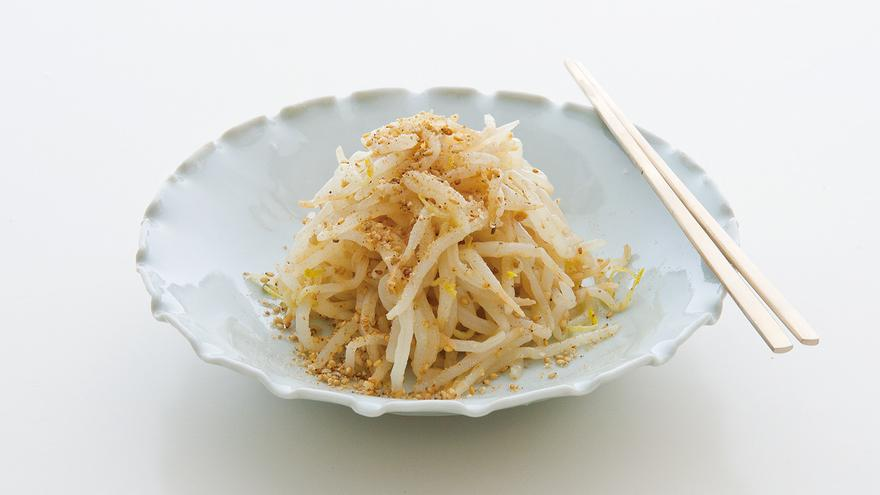
1. What Is Bean Sprout Salad?
Bean Sprout Salad (もやしのナムル), known as Moyashi Namul, is a simple, refreshing side dish made with lightly cooked bean sprouts, sesame oil, garlic, and seasonings.
Although the word namul is commonly associated with Korean cuisine, seasoned bean sprouts are also popular in Japanese home cooking and are frequently served alongside rice, noodles, grilled meat, and other everyday dishes.
The Japanese word moyashi (もやし) means bean sprouts. These delicate vegetables are appreciated for their crisp texture, mild flavour, and affordability.
The preparation is wonderfully simple: blanch the sprouts, drain them well, and toss them with sesame oil, garlic, soy sauce, and sesame seeds.
The secret to delicious bean sprout salad is keeping the sprouts fresh, crunchy, and lightly seasoned rather than overcooking them.
2. What Are Moyashi Bean Sprouts?
Moyashi are young sprouts commonly produced from mung beans or soybeans.
They are widely available in Japanese supermarkets and are used in soups, stir-fries, noodle dishes, and salads.
| Feature | Description |
|---|---|
| Japanese name | Moyashi (もやし) |
| Main varieties | Mung bean and soybean sprouts |
| Appearance | White stems with small yellow heads |
| Texture | Crisp and juicy |
| Flavour | Mild and slightly earthy |
| Common uses | Salads, soups, noodles, and stir-fries |
Mung bean sprouts are particularly suitable for this salad because of their delicate stems and pleasant crunch.
3. What Makes Japanese Bean Sprout Salad Special?
| Feature | Description |
|---|---|
| Main ingredient | Fresh bean sprouts |
| Seasonings | Garlic, soy sauce, and sesame oil |
| Additional ingredients | Sesame seeds and spring onions |
| Cooking method | Brief blanching |
| Texture | Crisp and tender |
| Flavour | Savoury, nutty, and aromatic |
| Serving temperature | Chilled or room temperature |
This dish is popular because it uses inexpensive ingredients while delivering a satisfying combination of flavour and texture.
Sesame oil gives the sprouts a nutty aroma, while garlic and soy sauce provide a savoury seasoning.
4. Ingredients Needed to Make Bean Sprout Salad
This easy recipe makes approximately four side-dish servings.
A. Main Ingredients
| Ingredient | Quantity |
|---|---|
| Fresh mung bean sprouts | 300 g |
| Spring onions | 1–2 |
| Garlic | 1 clove, finely grated |
| Toasted white sesame seeds | 1 tablespoon |
| Salt | To taste |
B. Sesame Seasoning
| Ingredient | Quantity |
|---|---|
| Toasted sesame oil | 1 tablespoon |
| Soy sauce | 1 teaspoon |
| Rice vinegar | 1 teaspoon |
| Sugar | ½ teaspoon |
| Ground white pepper | A pinch |
Ingredient tip: Use fresh, firm bean sprouts. Avoid sprouts that look slimy, discoloured, or have an unpleasant smell.
5. How to Make Japanese Bean Sprout Salad Step by Step
Step 1: Prepare the Bean Sprouts
Place the bean sprouts in a colander.
Remove any damaged or discoloured sprouts and rinse the remaining vegetables thoroughly under clean running water.
Allow excess water to drain.
Step 2: Boil the Water
Fill a large saucepan with water and bring it to a rolling boil.
Add a small amount of salt if desired.
Step 3: Blanch the Bean Sprouts
Add the bean sprouts to the boiling water.
Cook briefly, generally for approximately 1–2 minutes for mung bean sprouts, depending on their size and freshness.
They should become tender while retaining some crunch.
For food safety, cook sprouts thoroughly, particularly when serving pregnant people, young children, older adults, or anyone with a weakened immune system.
Step 4: Drain and Cool
Immediately drain the sprouts using a colander.
Spread them out briefly to release excess steam and moisture.
Avoid leaving them sitting in water because this can make them soggy.
Step 5: Prepare the Seasoning
In a large mixing bowl, combine:
- Toasted sesame oil.
- Soy sauce.
- Rice vinegar.
- Sugar.
- Grated garlic.
- White pepper.
Mix until the sugar dissolves.
Step 6: Combine the Ingredients
Add the drained bean sprouts to the seasoning mixture.
Toss gently until every sprout is lightly coated.
Step 7: Add Sesame Seeds and Spring Onions
Sprinkle toasted sesame seeds and finely chopped spring onions over the salad.
Mix once more to distribute the ingredients evenly.
Step 8: Chill Before Serving
Cover the bowl and refrigerate for approximately 15–20 minutes.
This allows the seasoning to blend with the bean sprouts.
Serve chilled or at room temperature.
Your homemade Japanese-style Bean Sprout Salad is ready to enjoy!
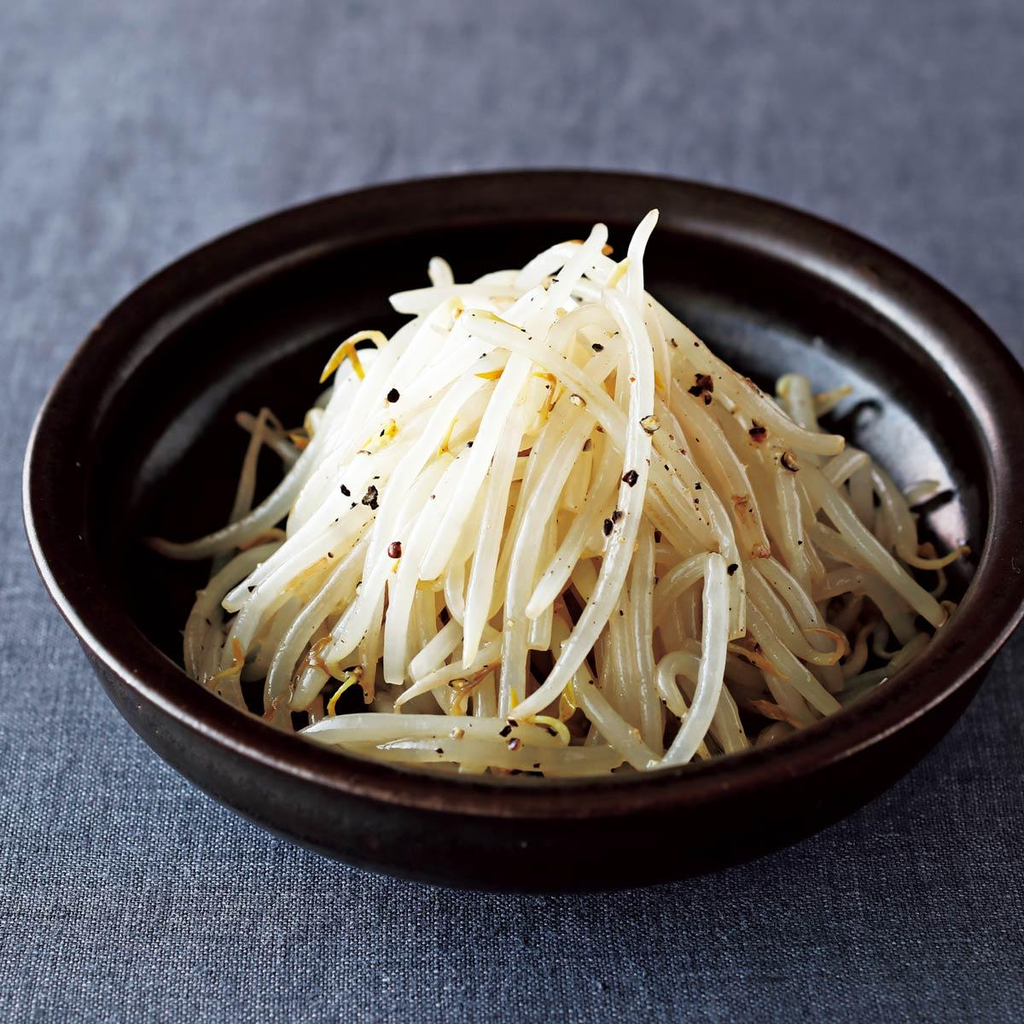
6. Popular Variations of Bean Sprout Salad
You can easily customise this recipe with additional ingredients.
| Variation | Main Ingredients | Special Feature |
|---|---|---|
| Classic Moyashi Salad | Bean sprouts and sesame oil | Simple savoury flavour |
| Spicy Bean Sprout Salad | Chilli oil and garlic | Adds gentle heat |
| Carrot Bean Sprout Salad | Carrots and bean sprouts | Extra colour and crunch |
| Cucumber Bean Sprout Salad | Cucumber and sesame | Refreshing texture |
| Soybean Sprout Salad | Soybean sprouts and garlic | Stronger, earthy flavour |
| Spinach and Bean Sprout Salad | Spinach and sprouts | More vegetables in one dish |
You can also add shredded cabbage, mushrooms, or tofu for additional variety.
7. Best Japanese Dishes to Serve with Bean Sprout Salad
Bean Sprout Salad is a versatile side dish that pairs well with many Japanese meals.
| Japanese Dish | Why It Pairs Well |
|---|---|
| Japanese Chicken Curry | Adds freshness to rich curry sauce. |
| Miso Ramen | Provides a crunchy contrast to warm noodles. |
| Karaage | Balances crispy fried chicken. |
| Oyakodon | Adds vegetables to a comforting rice bowl. |
| Tsukune | Complements sweet and savoury chicken skewers. |
| Yaki Udon | Provides a refreshing vegetable side. |
For a simple Japanese-style dinner, serve bean sprout salad with steamed rice, grilled chicken, and miso soup.
8. Professional Tips for Perfect Bean Sprout Salad
Follow these simple tips to achieve a delicious, restaurant-style result.
- Choose fresh sprouts: Freshness is important for both flavour and texture.
- Wash thoroughly: Rinse the sprouts before cooking.
- Avoid overcooking: Brief cooking helps preserve a pleasant crunch.
- Drain properly: Excess water can dilute the seasoning.
- Use toasted sesame oil: It provides a deeper nutty aroma.
- Balance the seasoning: Avoid adding too much soy sauce or garlic.
- Mix gently: This prevents the delicate sprouts from breaking.
- Chill before serving: A short refrigeration period helps the flavours develop.
Chef’s tip: After draining, gently press the sprouts with a clean kitchen towel to remove excess moisture before adding the sesame seasoning.
9. How to Store Bean Sprout Salad
Bean sprouts are highly perishable, so proper storage is important.
| Storage Method | Recommendation |
|---|---|
| Refrigerator | Store in an airtight container at 4°C (40°F) or below. |
| Best quality | Consume within 1–2 days. |
| Room temperature | Do not leave out for more than 2 hours. |
| Freezing | Not recommended because the texture deteriorates. |
Always refrigerate the salad promptly after preparation.
If you want to prepare it ahead, you can make the seasoning separately and combine it with freshly cooked sprouts shortly before serving.
10. A Little Story: A Simple Japanese Lunch
Imagine sitting at a dining table in a small Japanese home.
A warm bowl of steamed rice sits beside grilled chicken, miso soup, and a small ceramic bowl of bean sprout salad.
The sprouts look simple, but their delicate white stems are coated in fragrant sesame oil and sprinkled with toasted sesame seeds.
You take a bite.
The sprouts are pleasantly crunchy, the garlic adds a gentle aroma, and the sesame seasoning provides a savoury finish.
It is an uncomplicated dish made from everyday ingredients, yet it adds freshness and balance to the entire meal.
That is the beauty of Japanese home cooking: even the simplest side dishes can make a meal feel complete.
11. Frequently Asked Questions (FAQs)
Q1. What does Moyashi mean in Japanese?
Moyashi (もやし) means bean sprouts in Japanese. It commonly refers to mung bean sprouts used in everyday cooking.
Q2. What is namul?
Namul is a Korean term for seasoned vegetable dishes. It is often prepared with sesame oil, garlic, salt, and other seasonings.
Q3. Can I eat bean sprouts raw?
Raw sprouts can carry harmful bacteria. Cooking them thoroughly is the safer choice, especially for people at higher risk of foodborne illness.
Q4. How long should I boil bean sprouts?
Mung bean sprouts generally need approximately 1–2 minutes for a crisp-tender texture, although cooking time depends on their size and freshness. Cook thoroughly for food safety.
Q5. Can I make this salad without sesame oil?
Yes. You can use another suitable cooking oil, although the salad will lose some of its characteristic nutty aroma.
Q6. Can I make bean sprout salad spicy?
Yes. Add chilli oil, chilli flakes, or Japanese shichimi togarashi for extra heat.
Q7. Is bean sprout salad healthy?
Bean sprouts are relatively low in calories and provide fibre and nutrients. The overall nutritional value depends on the quantity of oil, salt, and other seasonings used.
Q8. Can I use soybean sprouts instead of mung bean sprouts?
Yes. Soybean sprouts can be used, but they are generally thicker and require longer cooking. Cook them thoroughly according to their size.
12. Final Thoughts
Bean Sprout Salad (もやしのナムル) is a simple and delicious side dish that brings together fresh vegetables, aromatic garlic, and nutty sesame seasoning.
Its crisp texture, mild flavour, and quick preparation make it an excellent addition to everyday Japanese-inspired meals.
Whether you serve it with ramen, grilled chicken, rice bowls, or homemade curry, this easy salad offers a refreshing balance to your dining table.
Try this recipe at home and discover how a few inexpensive ingredients can create a wonderful Japanese-style side dish.
Explore more authentic Japanese recipes, traditional dishes, and culinary guides at JapanFoodGuide.com.
Helpful Resources and Further Reading
- Just One Cookbook – Bean Sprout Namul
- Kikkoman – Japanese Recipes and Cooking Ideas
- Taste of Japan – Japanese Food and Recipes
- Japan National Tourism Organization – Japanese Food Culture
- Japan Guide – Japanese Cuisine
This article is independently written for JapanFoodGuide.com. The explanations and recipe instructions use original wording, with the supplied recipe provided as inspiration and for further culinary learning.
Leave a Reply