
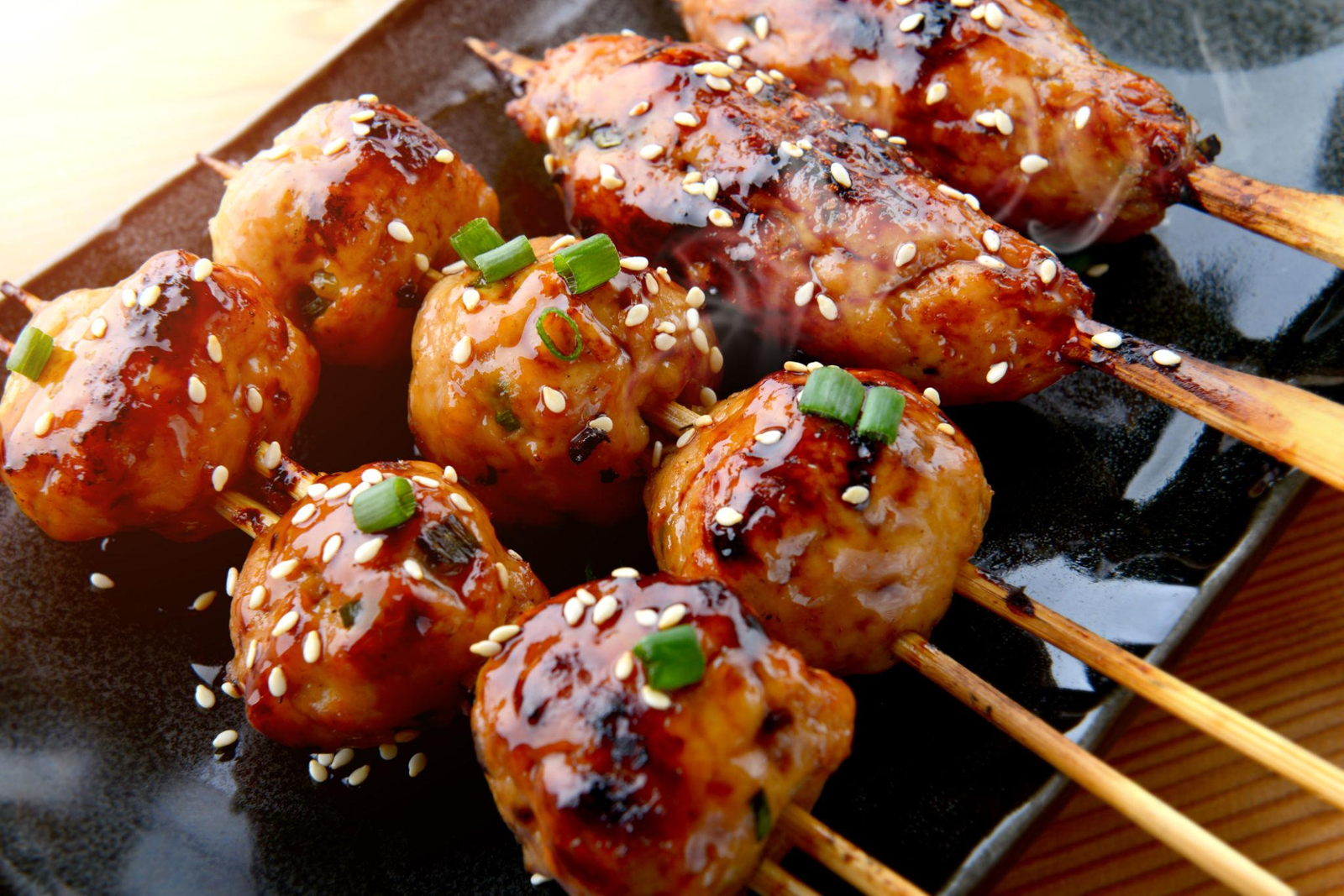
1. What Is Tsukune?
Tsukune (つくね) is a popular Japanese dish made from seasoned ground chicken shaped into small meatballs or oval patties, often threaded onto bamboo skewers and grilled until beautifully golden.
It is a favourite at Japanese izakayas (casual dining pubs) and yakitori restaurants, where it is commonly served with a sweet and savoury sauce called tare.
The chicken mixture usually contains ginger, green onions, soy sauce, and other seasonings. Some versions also include egg, breadcrumbs, or potato starch to create a soft and juicy texture.
Tsukune can be prepared in several ways, including grilling, pan-frying, and simmering.
What makes Tsukune special? Its tender chicken texture, smoky grilled aroma, and delicious Japanese glaze turn simple ingredients into an unforgettable meal.
2. The History of Japanese Tsukune
Tsukune is closely connected to Japan’s yakitori culture, which celebrates grilled chicken prepared on skewers.
Yakitori became increasingly popular during the Meiji period and developed into a familiar street-food and restaurant favourite.
As Japanese cooks experimented with different chicken cuts and preparations, ground chicken became another popular option. Seasoned chicken meatballs offered a delicious way to use minced meat while creating a tender, flavourful dish.
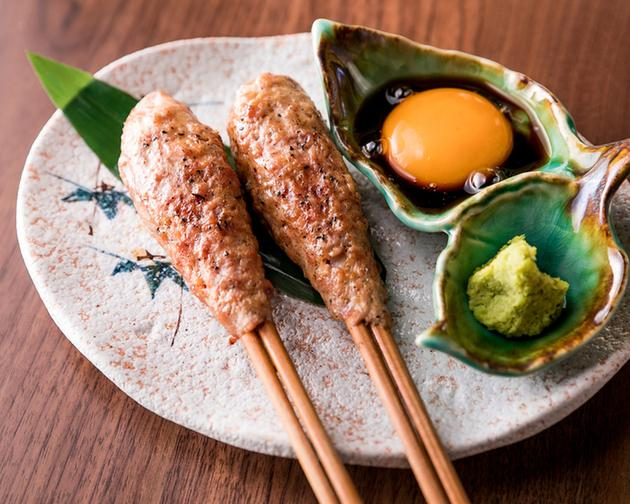
Today, tsukune is a regular feature on yakitori menus throughout Japan. Some restaurants serve it with a traditional soy-based glaze, while others offer salt-seasoned versions or serve it with egg yolk for dipping.
3. What Makes Tsukune Special?
| Feature | Description |
|---|---|
| Main ingredient | Ground chicken |
| Seasonings | Ginger, soy sauce, and green onions |
| Cooking method | Grilling or pan-frying |
| Texture | Soft, tender, and juicy |
| Traditional sauce | Japanese yakitori tare |
| Serving style | Skewers or small meatball patties |
| Flavour | Sweet, savoury, and smoky |
Unlike ordinary meatballs, tsukune is often shaped around bamboo skewers and finished with a glossy Japanese sauce.
4. Ingredients Needed to Make Japanese Tsukune
This beginner-friendly recipe makes approximately four servings.
A. Chicken Meatball Mixture
| Ingredient | Quantity |
|---|---|
| Ground chicken | 400 g |
| Green onions | 2, finely chopped |
| Fresh ginger | 1 teaspoon, grated |
| Soy sauce | 1 tablespoon |
| Sake | 1 tablespoon |
| Potato starch or cornstarch | 1 tablespoon |
| Egg | 1 small |
| Salt | ¼ teaspoon |
| Black pepper | To taste |
| Vegetable oil | As needed |
B. Japanese Yakitori Tare Sauce
| Ingredient | Quantity |
|---|---|
| Soy sauce | 2 tablespoons |
| Mirin | 2 tablespoons |
| Sake | 1 tablespoon |
| Sugar | 1 tablespoon |
C. Optional Garnishes
- Toasted sesame seeds.
- Chopped spring onions.
- Shichimi togarashi (Japanese seven-spice seasoning).
- Lemon wedges.
- Pasteurised egg yolk for dipping.
5. How to Make Japanese Tsukune Step by Step
Step 1: Prepare the Chicken Mixture
Place the ground chicken in a large mixing bowl.
Add chopped green onions, grated ginger, soy sauce, sake, potato starch, egg, salt, and black pepper.
Mix thoroughly until the ingredients become sticky and evenly combined.
Step 2: Shape the Meatballs
Lightly wet your hands with water or apply a little oil.
Divide the mixture into small portions and shape them into oval meatballs.
You can make traditional round meatballs or slightly flattened shapes that are easier to cook evenly.
Step 3: Prepare the Skewers
If using bamboo skewers, soak them in water for approximately 20–30 minutes to reduce burning.
Carefully thread the chicken meatballs onto the skewers.
Avoid packing them too tightly because heat needs to circulate around the chicken.
Step 4: Prepare the Tare Sauce
Combine soy sauce, mirin, sake, and sugar in a small saucepan.
Bring the mixture to a gentle simmer.
Cook for several minutes until the sauce becomes slightly thick and glossy.
Set aside.
Step 5: Cook the Chicken Skewers
Heat a lightly oiled frying pan or grill over medium heat.
Place the chicken skewers onto the cooking surface.
Cook for approximately 8–12 minutes, turning regularly so that all sides brown evenly.
Cooking time depends on the thickness of the meatballs.
Ensure the centre reaches an internal temperature of 74°C (165°F).
Step 6: Add the Japanese Glaze
Brush the cooked chicken skewers with the prepared tare sauce.
Turn them gently and cook for another minute or two until the glaze becomes shiny and fragrant.
For food safety, only use fresh sauce for glazing, not sauce that has contacted raw chicken.
Step 7: Garnish and Serve
Transfer the tsukune skewers to a serving plate.
Sprinkle toasted sesame seeds and chopped spring onions on top.
Serve immediately with lemon wedges or a small amount of Japanese seven-spice seasoning.
Your homemade Japanese Tsukune is ready to enjoy!
6. Popular Types of Tsukune in Japan
Japanese restaurants prepare tsukune in several delicious styles.
| Type | Description |
|---|---|
| Tare Tsukune | Grilled chicken meatballs coated with sweet soy-based sauce. |
| Shio Tsukune | Seasoned with salt instead of a thick glaze. |
| Cheese Tsukune | Includes melted cheese for extra richness. |
| Shiso Tsukune | Contains aromatic Japanese shiso leaves. |
| Nankotsu Tsukune | Includes chicken cartilage for a crunchy texture. |
| Cheese-Stuffed Tsukune | Features a melted cheese centre. |
| Egg-Yolk Tsukune | Served with egg yolk for dipping. |
The tare version is particularly popular because its glossy sauce complements the natural flavour of chicken.
7. Best Foods to Serve with Tsukune
Tsukune is delicious as an appetiser, but it can also be served as part of a complete Japanese meal.
| Side Dish | Why It Pairs Well |
|---|---|
| Japanese Steamed Rice | Complements the sweet and savoury glaze. |
| Miso Soup | Adds warmth and umami. |
| Japanese Cabbage Salad | Provides freshness and crunch. |
| Edamame | Offers a light vegetable side. |
| Japanese Pickles | Add a refreshing contrast. |
| Onigiri | Makes a convenient Japanese-style meal. |
For an izakaya-inspired dinner, serve tsukune with steamed rice, miso soup, and a fresh cabbage salad.
8. Professional Tips for Perfect Tsukune
Follow these simple techniques to prepare restaurant-style Japanese chicken meatballs.
- Choose ground chicken with some fat: This helps keep the meatballs juicy.
- Mix thoroughly: A sticky mixture helps the meatballs hold their shape.
- Use potato starch: It helps create a tender texture.
- Keep the sizes consistent: Similar-sized meatballs cook more evenly.
- Avoid excessive heat: Medium heat helps cook the centre without burning the outside.
- Glaze towards the end: The sugar in tare sauce can burn if applied too early.
- Check the internal temperature: Chicken should reach 74°C (165°F).
- Serve immediately: Freshly grilled tsukune tastes best.
Chef’s tip: Refrigerate the shaped meatballs for approximately 15 minutes before cooking. This can help them hold their shape during grilling.
9. A Little Story: An Evening at a Japanese Yakitori Restaurant
Imagine walking through a lively Japanese street after sunset.
Small restaurants are filled with warm lights, cheerful conversations, and the irresistible aroma of grilled food.
You enter a cosy yakitori restaurant and take a seat near the counter.
The chef places several chicken meatballs onto a hot grill. As they cook, their surfaces turn golden and develop a delicious smoky aroma.
A glossy soy-based sauce is brushed over the skewers, creating a beautiful finish.
Your plate arrives with steaming tsukune, fresh spring onions, and a little Japanese seasoning.
You take your first bite and enjoy the tender chicken and rich savoury glaze.
It is a simple dish, but every bite captures the warmth and creativity of Japanese food culture.
10. Frequently Asked Questions (FAQs)
Q1. What does Tsukune mean in Japanese?
Tsukune refers to a Japanese preparation of seasoned ground ingredients shaped into balls or patties. Chicken tsukune is one of its best-known varieties.
Q2. What meat is used for tsukune?
Ground chicken is the most common choice, although other meat variations can also be found.
Q3. What is the sauce used for tsukune?
Many traditional versions use yakitori tare, a sweet and savoury sauce made with soy sauce, mirin, sake, and sugar.
Q4. Can I make tsukune without a grill?
Yes. A non-stick frying pan, oven, or suitable air fryer can be used as an alternative.
Q5. Why are my chicken meatballs falling apart?
The mixture may be too wet or insufficiently combined. Add a little potato starch and mix until the mixture becomes sticky.
Q6. Can I prepare tsukune in advance?
Yes. Shape the meatballs and refrigerate them in a covered container before cooking. For longer storage, freeze them safely in an airtight container.
Q7. Is tsukune spicy?
Traditional tsukune is generally mild. Japanese chilli seasoning can be added if you prefer a spicy flavour.
11. Final Thoughts
Tsukune (Japanese Chicken Meatball Skewers) つくね is a delicious example of Japan’s famous grilled food culture.
Its tender chicken mixture, aromatic seasonings, and sweet-savoury glaze make it a favourite at Japanese restaurants and home dinner tables.
Whether you prepare traditional tare tsukune, a cheesy variation, or a simple salt-seasoned version, this dish offers a wonderful way to enjoy Japanese cooking.
Try making these delicious chicken skewers at home and discover why tsukune remains a favourite in Japanese yakitori restaurants.
Explore more authentic Japanese recipes, traditional dishes, and culinary guides at JapanFoodGuide.com.
Helpful Resources and Further Reading
- Just One Cookbook – Tsukune Recipe and Video
- Just One Cookbook – Yakitori Japanese Grilled Chicken
- Japan National Tourism Organization – Japanese Food Culture
- Kikkoman – Japanese Recipes and Cooking Ideas
- Taste of Japan – Japanese Food and Recipes
This article is independently written for JapanFoodGuide.com. The recipe instructions and descriptions use original wording, with the linked resources provided for additional culinary learning.
Leave a Reply