
1. What Is Shokupan?
Shokupan (食パン) is a traditional Japanese-style soft white bread famous for its fluffy texture, delicate milky flavour, and beautifully golden crust.
The word Shokupan combines two Japanese words: shoku (食), meaning food or eating, and pan (パン), meaning bread. Together, the name refers to bread intended for everyday eating.
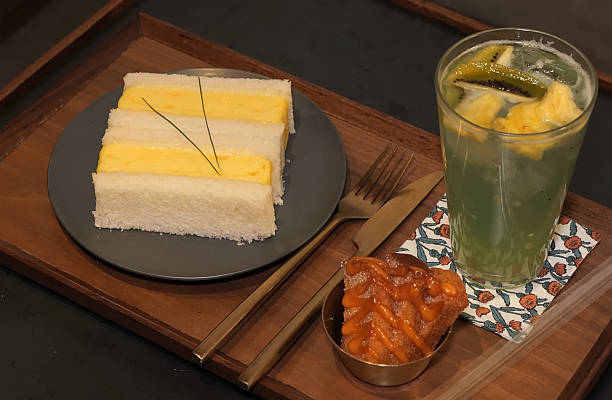
Unlike ordinary sandwich bread, shokupan has an exceptionally soft, moist, and slightly chewy interior. It is commonly baked in a rectangular loaf pan, giving it either a perfectly square or gently rounded top.
In Japan, people enjoy shokupan in several ways:
- Thick slices toasted with butter.
- Soft sandwiches filled with eggs or vegetables.
- Sweet sandwiches with fresh strawberries and cream.
- French toast with honey or maple syrup.
- Simple breakfast toast with Japanese fruit jam.
Its simplicity is its greatest strength. Every slice offers a comforting combination of softness, sweetness, and freshness.
2. The History of Japanese Milk Bread
Bread was introduced to Japan through Portuguese traders during the sixteenth century. However, it took several centuries for Western-style bread to become a regular part of Japanese eating habits.
During the Meiji period (1868–1912), Western baking techniques became increasingly popular. Japanese bakers gradually adapted European bread-making methods to local preferences.
After World War II, bread became more common in Japanese households, particularly as wheat became more widely available.
Over time, Japanese bakers developed softer, lighter loaves with a delicate flavour. These innovations helped establish modern shokupan as one of Japan’s favourite everyday breads.
Today, shokupan is available in supermarkets, neighbourhood bakeries, speciality bread shops, and cafés throughout Japan.
3. What Makes Shokupan Different from Regular Bread?
The secret behind Japanese milk bread is its special combination of ingredients, careful kneading, and moisture-retaining techniques.
One popular technique is called Tangzhong (湯種), which involves cooking a small amount of flour with liquid to create a smooth paste.
This process helps the flour absorb and retain more moisture, producing a soft and tender bread texture.
Another Japanese technique is Yudane (湯種), which uses boiling water to scald flour before adding it to the dough.
| Feature | Shokupan | Regular White Bread |
|---|---|---|
| Texture | Extremely soft and fluffy | Usually firmer |
| Taste | Mildly sweet and milky | More neutral |
| Crust | Thin and delicate | Often thicker |
| Interior | Moist and springy | Generally less delicate |
| Shape | Square or rounded loaf | Various shapes |
| Preparation | Often uses enriched dough | Depends on recipe |
4. Ingredients Needed to Make Shokupan at Home
You do not need professional baking equipment to make delicious Japanese milk bread.
Here is a beginner-friendly recipe for one loaf.
For the Tangzhong
| Ingredient | Quantity |
|---|---|
| Bread flour | 20 g |
| Water | 100 g |
For the Main Dough
| Ingredient | Quantity |
|---|---|
| Bread flour | 280 g |
| Whole milk | 110 ml |
| Sugar | 25 g |
| Instant yeast | 5 g |
| Salt | 5 g |
| Unsalted butter | 30 g |
Equipment: Mixing bowl, saucepan, kitchen scale, loaf pan, clean kitchen towel, and oven.
5. Step-by-Step Shokupan Recipe
Step 1: Prepare the Tangzhong
Combine 20 g of bread flour with 100 g of water in a small saucepan.
Cook over low heat while stirring continuously until the mixture becomes a smooth, thick paste.
Remove it from the heat and allow it to cool completely.
Step 2: Prepare the Dough
In a large mixing bowl, combine bread flour, sugar, instant yeast, salt, milk, and the cooled tangzhong.
Mix until the ingredients form a rough dough.
Step 3: Knead and Add Butter
Knead the dough until it starts becoming smooth.
Gradually add softened butter and continue kneading until the dough becomes elastic and stretchy.
A properly developed dough should feel soft and slightly tacky rather than excessively dry.
Step 4: First Proofing
Place the dough in a lightly greased bowl and cover it with a clean kitchen towel.
Leave it in a warm place until it approximately doubles in size. This usually takes 60–90 minutes, depending on the temperature.
Step 5: Shape the Loaf
Gently press the dough to remove excess air.
Divide it into three equal portions. Shape each portion into a smooth ball and allow them to rest for approximately 15 minutes.
Flatten and roll each portion into a rectangle, then roll it into a tight log.
Place the three portions side by side in a greased loaf pan.
Step 6: Second Proofing
Cover the loaf pan and allow the dough to rise again until it reaches approximately 80–90% of the pan’s height.
Avoid allowing the dough to overproof.
Step 7: Bake the Bread
Preheat your oven to 180°C (350°F).
Bake for approximately 30–35 minutes, or until the loaf is fully baked and golden brown.
If the top becomes too dark, cover it loosely with aluminium foil.
Step 8: Cool and Serve
Remove the bread from the pan and place it on a cooling rack.
Allow it to cool completely before slicing.
Congratulations! Your homemade Japanese Shokupan is ready.
6. Delicious Ways to Enjoy Japanese Milk Bread
Shokupan is more than breakfast bread. Its delicate flavour makes it suitable for both sweet and savoury dishes.
Here are five delicious ways to enjoy it.
| Dish | Description |
|---|---|
| Tamago Sando | Japanese egg sandwich with creamy egg filling. |
| Fruit Sando | Soft bread filled with whipped cream and fresh fruit. |
| Katsu Sando | Japanese sandwich with crispy breaded pork cutlet. |
| Japanese Toast | Thick toasted bread served with butter and honey. |
| Shokupan French Toast | Milk bread soaked in sweet egg custard and pan-fried. |
One particularly beautiful option is the Japanese Fruit Sando. Its colourful fruit filling and soft white bread make it a favourite in Japanese cafés.
7. Popular Types of Shokupan
Although classic milk bread remains the most popular choice, modern Japanese bakeries have introduced several creative variations.
- Hokkaido Milk Bread: A richer variation associated with Hokkaido dairy products.
- Matcha Shokupan: Green tea powder gives the bread a distinctive colour and earthy flavour.
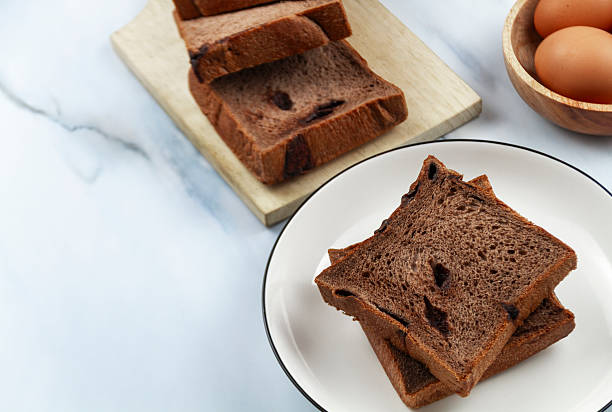
- Chocolate Shokupan: A sweet variation containing cocoa or chocolate pieces.
- Whole Wheat Shokupan: Made with a portion of whole wheat flour for a deeper flavour.
- Cheese Shokupan: Includes cheese for a savoury and creamy twist.
These variations demonstrate how a simple Japanese loaf can become a creative baking experience.
8. Professional Tips for Perfect Shokupan
Want to achieve bakery-quality results? Keep these practical tips in mind:
- Use bread flour: Its protein content helps develop the gluten structure needed for a stretchy, fluffy loaf.
- Measure ingredients accurately: A kitchen scale provides more consistent results than measuring cups.
- Do not rush proofing: Allow the dough enough time to rise naturally.
- Knead properly: Good gluten development helps create the characteristic stretchy crumb.
- Use softened butter: This makes it easier to incorporate butter evenly.
- Cool before slicing: Cutting warm bread can compress its delicate interior.
- Store correctly: Keep the bread in an airtight bag or container to maintain freshness.
9. A Small Story: The Beauty of a Simple Japanese Breakfast
Imagine waking up on a quiet morning in Kyoto.
Sunlight enters through the kitchen window. A freshly baked loaf of shokupan rests on a wooden cutting board.
You cut two thick slices and place them in the toaster. Within minutes, their edges become lightly golden while the centre remains wonderfully soft.
You spread a little butter over the warm surface and add a spoonful of strawberry jam.
Alongside a cup of Japanese green tea, this simple breakfast becomes something special.
There is no complicated presentation or expensive ingredient. Just fresh bread, a peaceful morning, and the pleasure of enjoying something simple.
That is the charm of shokupan.
10. Frequently Asked Questions (FAQs)
Q1. What does Shokupan mean in Japanese?
Shokupan (食パン) refers to everyday eating bread or a Japanese-style white loaf.
Q2. Is Japanese milk bread the same as Hokkaido milk bread?
The terms are often used interchangeably outside Japan. However, Hokkaido milk bread generally refers to a richer variation associated with Hokkaido’s dairy products.
Q3. Why is Japanese milk bread so soft?
Its softness comes from enriched dough, proper gluten development, and moisture-retaining techniques such as tangzhong or yudane.
Q4. Can I make shokupan without tangzhong?
Yes. Tangzhong is not essential for every shokupan recipe. You can make excellent Japanese milk bread using a conventional enriched dough method.
Q5. How should I store homemade shokupan?
Store it in an airtight bag at room temperature for approximately 2–3 days. For longer storage, slice and freeze it. Avoid refrigerating it because refrigeration can make bread stale more quickly.
Q6. Is shokupan suitable for sandwiches?
Absolutely! Its soft texture and mild flavour make it ideal for egg sandwiches, fruit sandwiches, vegetable sandwiches, and Japanese katsu sandwiches.
11. Final Thoughts
Shokupan (Japanese Milk Bread) 食パン is a wonderful example of Japanese baking craftsmanship. Its soft texture, gentle sweetness, and versatility have made it a beloved part of everyday food culture in Japan.
Whether you enjoy it as golden breakfast toast, a creamy fruit sandwich, or a homemade French toast, shokupan offers countless possibilities.
The real secret is taking your time. Good ingredients, proper kneading, patient proofing, and careful baking can transform an ordinary loaf into something extraordinary.
Discover more about Japanese cuisine, traditional dishes, popular ingredients, and authentic food experiences at JapanFoodGuide.com.
Further Reading and Helpful Resources
- Just One Cookbook – Japanese Milk Bread (Shokupan)
- King Arthur Baking – What Is Milk Bread?
- SBS Food – Japan’s Shokupan Is the Upper Crust of Loaves
Article independently written for JapanFoodGuide.com. The recipe is an original beginner-friendly adaptation of Japanese milk bread-making techniques.
Leave a Reply