
1. What Is Tamago Sando?
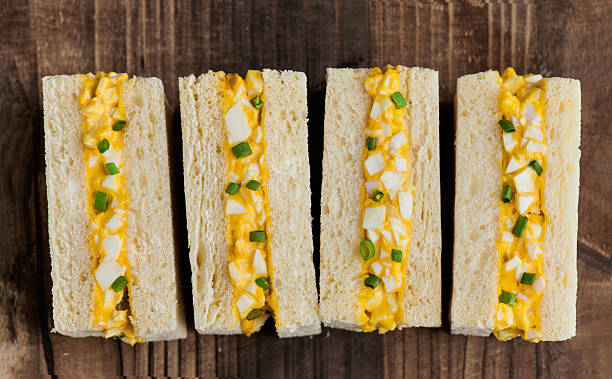
Tamago Sando (たまごサンド) is a popular Japanese egg sandwich made with soft white bread and a creamy filling of boiled eggs, Japanese mayonnaise, and simple seasonings.
The word tamago (たまご) means egg, while sando is a shortened form of sandoitchi (サンドイッチ), meaning sandwich.
Unlike many Western egg sandwiches, the Japanese version is famous for its simplicity. It usually contains no complicated sauces, heavy vegetables, or multiple layers. Instead, its delicious taste comes from the combination of fluffy Japanese milk bread (shokupan) and smooth, flavourful egg filling.
You can find Tamago Sando in Japanese convenience stores, bakeries, supermarkets, and cafés. It is especially popular as a quick breakfast, lunch, or afternoon snack.
Its secret is simple: soft bread, perfectly cooked eggs, and creamy Japanese mayonnaise.
2. Why Is the Japanese Egg Sandwich So Popular?
Tamago Sando has become one of Japan’s most recognisable convenience-store foods.
Its popularity comes from several qualities:
- Simple ingredients: It uses everyday foods that are easy to find.
- Creamy texture: Japanese mayonnaise gives the egg filling a rich consistency.
- Soft bread: Shokupan provides a delicate, slightly sweet taste.
- Convenience: It is easy to carry and enjoy almost anywhere.
- Affordable comfort food: It offers a satisfying meal without complicated preparation.
Japanese convenience stores, commonly called konbini, have helped make this sandwich famous. Stores such as 7-Eleven, Lawson, and FamilyMart are well known for their ready-to-eat sandwiches.
3. What Makes Tamago Sando Different from Regular Egg Sandwiches?
Although both sandwiches use eggs and bread, their preparation and presentation can be quite different.
| Feature | Japanese Tamago Sando | Western Egg Sandwich |
|---|---|---|
| Bread | Soft Japanese milk bread | Various bread types |
| Filling | Creamy mashed boiled eggs | Boiled or fried eggs |
| Mayonnaise | Japanese mayonnaise | Regular mayonnaise |
| Seasoning | Usually simple and mild | Often includes mustard or other seasonings |
| Vegetables | Usually minimal | May include lettuce or onions |
| Texture | Soft, creamy, and delicate | Depends on preparation |
The Japanese version focuses on the natural flavour of eggs rather than adding many ingredients.
4. Ingredients Needed to Make Tamago Sando at Home
You can prepare authentic-style Japanese egg sandwiches using just a few ingredients.
This beginner-friendly recipe makes two sandwiches.
| Ingredient | Quantity |
|---|---|
| Large eggs | 3 |
| Japanese milk bread (shokupan) | 4 slices |
| Japanese mayonnaise | 2 tablespoons |
| Milk | 2 teaspoons |
| Salt | ¼ teaspoon, or to taste |
| Sugar | ¼ teaspoon |
| Black pepper | A small pinch |
| Softened butter | As needed |
Optional ingredients:
- Chopped chives.
- A little mustard.
- Fresh parsley.
- Additional black pepper.
Japanese mayonnaise, especially Kewpie, is a popular choice because of its rich, slightly tangy flavour.
5. How to Make Japanese Egg Sandwich (Tamago Sando)
Follow these simple steps to create a delicious Japanese-style egg sandwich.
Step 1: Boil the Eggs
Place three eggs in a saucepan and cover them with water.
Bring the water to a boil and cook the eggs until both the whites and yolks are completely set, approximately 10–12 minutes depending on egg size and starting temperature.
Transfer the eggs to cold water and allow them to cool completely before peeling.
Step 2: Prepare the Egg Filling
Place the peeled eggs in a mixing bowl.
Mash them using a fork until you achieve your preferred texture.
For a classic creamy filling, keep some small pieces of egg white rather than making the mixture completely smooth.
Step 3: Add Japanese Mayonnaise
Add Japanese mayonnaise, milk, salt, sugar, and black pepper.
Mix everything gently until the ingredients are evenly combined.
Taste the mixture and adjust the seasoning if necessary.
The filling should be creamy but thick enough to stay inside the sandwich.
Step 4: Prepare the Bread
Take four slices of fresh shokupan.
Lightly spread softened butter over the inside surfaces of the bread. This helps create a barrier against moisture from the egg filling.
Traditional Tamago Sando is usually served with untoasted bread to maintain its soft texture.
Step 5: Assemble the Sandwich
Spread the egg mixture generously over two slices of bread.
Place the remaining slices on top and press gently.
Avoid pressing too hard because the bread should remain light and fluffy.
Step 6: Trim and Slice
For the classic Japanese presentation, remove the crusts using a sharp knife.
Cut each sandwich diagonally or straight across the middle.
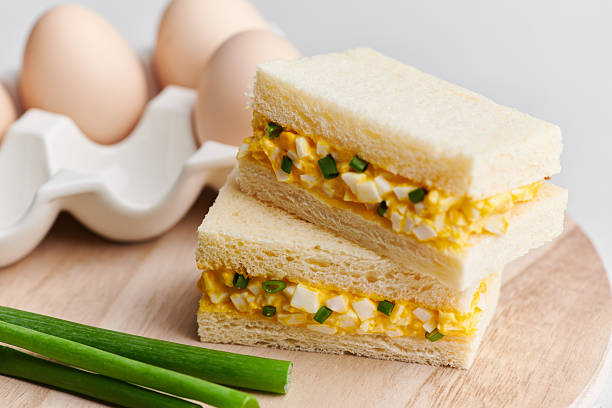
You should now see a beautiful cross-section of creamy yellow egg filling surrounded by soft white bread.
Your homemade Tamago Sando is ready to enjoy!
6. Popular Types of Japanese Egg Sandwiches
Japanese cafés and bakeries offer different interpretations of the traditional egg sandwich.
| Type | Description |
|---|---|
| Classic Tamago Sando | Mashed boiled eggs mixed with Japanese mayonnaise. |
| Tamagoyaki Sando | Filled with a thick Japanese rolled omelette. |
| Soft-Boiled Egg Sando | Features a soft-centred egg with creamy filling. |
| Spicy Tamago Sando | Includes mustard or spicy seasoning. |
| Avocado Tamago Sando | Combines creamy avocado with egg filling. |
| Cheese Tamago Sando | Includes cheese for a richer flavour. |
One particularly interesting variation is Tamagoyaki Sando, which uses Japanese-style rolled omelette instead of mashed egg salad.
7. Tips for Making the Perfect Tamago Sando
A few small details can make a significant difference to the final sandwich.
- Use fresh, soft bread: Shokupan provides the best texture and flavour.
- Choose Japanese mayonnaise: It gives the filling its characteristic creamy and slightly tangy taste.
- Cool the eggs completely: Warm eggs can make the mayonnaise mixture too loose.
- Avoid excessive mayonnaise: Too much can make the filling watery.
- Butter the bread lightly: This helps prevent sogginess.
- Use a sharp knife: A clean cut gives the sandwich its attractive café-style appearance.
- Keep it chilled: Because the filling contains cooked eggs and mayonnaise, refrigerate the sandwich promptly if it will not be eaten immediately.
Professional tip: For a beautiful cross-section, spread the filling evenly and gently press the sandwich before cutting it.
8. Best Drinks and Foods to Enjoy with Tamago Sando
Tamago Sando is delicious on its own, but it also pairs wonderfully with Japanese drinks and light side dishes.
| Pairing | Why It Works |
|---|---|
| Japanese green tea | Balances the creamy egg filling. |
| Matcha latte | Adds a smooth, earthy flavour. |
| Japanese milk tea | Complements the mild sweetness of shokupan. |
| Iced coffee | Creates a refreshing breakfast combination. |
| Fresh fruit | Adds natural sweetness and freshness. |
| Miso soup | Turns the sandwich into a more complete meal. |
For a simple Japanese-style breakfast, enjoy Tamago Sando with a cup of green tea and a small serving of fresh fruit.
9. A Little Story: Discovering Tamago Sando in Tokyo
Imagine arriving in Tokyo early in the morning.
After a long journey, you enter a bright Japanese convenience store. Rows of colourful drinks, rice balls, desserts, and sandwiches fill the refrigerated shelves.
One simple sandwich catches your attention. It has soft white bread, no crusts, and a beautiful yellow filling visible through its packaging.
You decide to try it.
The first bite reveals fluffy bread and a creamy egg filling with a gentle, savoury flavour. It is simple, satisfying, and surprisingly memorable.
You understand why so many people enjoy this everyday Japanese snack.
Sometimes, the most memorable food experiences do not come from expensive restaurants. They come from simple dishes prepared with care.
10. Frequently Asked Questions (FAQs)
Q1. What does Tamago Sando mean?
Tamago means egg, while sando is short for sandwich. Together, Tamago Sando means Japanese egg sandwich.
Q2. What bread is used for Japanese egg sandwiches?
Traditional Tamago Sando uses shokupan, a soft and fluffy Japanese milk bread.
Q3. What makes Japanese egg sandwiches so creamy?
The combination of mashed boiled eggs, Japanese mayonnaise, and sometimes a little milk creates the characteristic creamy filling.
Q4. Is Tamago Sando served hot or cold?
It is generally served chilled or at room temperature rather than toasted or hot.
Q5. Can I use regular mayonnaise instead of Japanese mayonnaise?
Yes. Regular mayonnaise works, although Japanese mayonnaise typically has a richer, tangier flavour.
Q6. Can I prepare Tamago Sando in advance?
Yes. You can prepare the egg filling ahead of time and refrigerate it in a covered container. Assemble the sandwiches shortly before serving for the best bread texture.
Q7. Where can I buy Tamago Sando in Japan?
You can find it in convenience stores, supermarkets, bakeries, and Japanese cafés throughout the country.
11. Final Thoughts
Japanese Egg Sandwich (Tamago Sando) たまごサンド proves that delicious food does not need complicated ingredients.
Its soft shokupan, creamy egg filling, and distinctive Japanese mayonnaise create a simple combination that has become a favourite across Japan.
Whether you enjoy it as a quick breakfast, a lunchbox meal, or an afternoon snack, Tamago Sando is an excellent introduction to everyday Japanese food culture.
Try making it at home, experiment with different egg textures, and discover your favourite version.
Want to explore more Japanese recipes, traditional dishes, and authentic food experiences? Visit JapanFoodGuide.com for more delicious discoveries.
Helpful Resources and Further Reading
- Kewpie – Official Japanese Tamago Sando Recipe
- Just One Cookbook – Japanese Egg Sandwich (Tamago Sando)
- Japan-Guide – Home Cooking: Tamago Sando
- Omnivore’s Cookbook – Japanese Egg Sandwich
This article is independently written for JapanFoodGuide.com. The recipe and explanations use original wording and general Japanese cooking techniques, with the linked resources provided for further learning.
Leave a Reply