

1. What Is Dashimaki Tamago?
Dashimaki Tamago (だし巻き玉子) is a traditional Japanese rolled omelette made with eggs, dashi stock, soy sauce, mirin, and a little sugar.
Unlike ordinary omelettes, Dashimaki Tamago contains Japanese dashi, which gives it a delicate savoury flavour and a soft, moist texture.
The eggs are cooked in thin layers and carefully rolled together using a rectangular Japanese frying pan called a makiyakinabe.
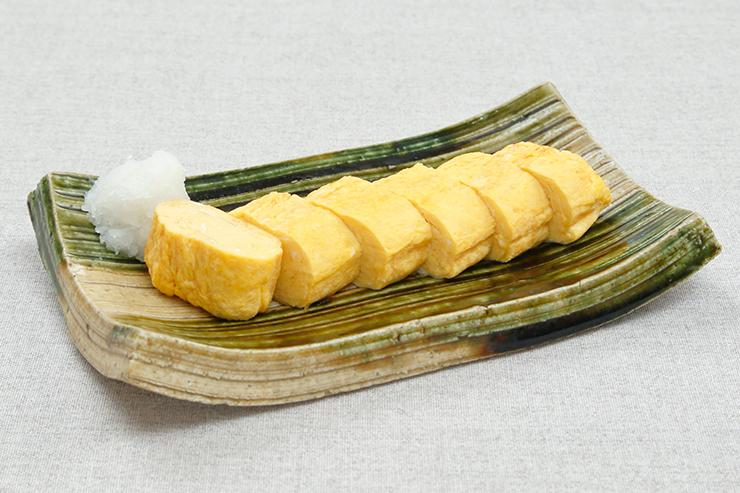
The finished omelette has beautiful golden layers and a slightly juicy centre.
Dashimaki Tamago is commonly served in Japanese breakfasts, bento boxes, sushi restaurants, and traditional meals.
Its secret is the perfect balance of fluffy eggs, savoury dashi, and careful rolling techniques that create beautiful layers in every slice.
2. The Difference Between Dashimaki Tamago and Tamagoyaki
Although both dishes are Japanese rolled omelettes, they have slightly different ingredients and textures.
| Feature | Dashimaki Tamago | Tamagoyaki |
|---|---|---|
| Main ingredient | Eggs | Eggs |
| Special ingredient | Dashi stock | Sugar and seasonings |
| Flavour | Savoury and umami-rich | Often sweeter |
| Texture | Soft and moist | Firmer and slightly fluffy |
| Cooking technique | Thin layers rolled together | Multiple layers rolled together |
| Common serving | Traditional meals and restaurants | Breakfast, bento, and sushi |
Dashimaki Tamago contains more liquid from dashi, making it softer and sometimes more challenging to roll.
3. What Makes Japanese Dashi Omelette Special?
| Feature | Description |
|---|---|
| Japanese name | Dashimaki Tamago (だし巻き玉子) |
| Main ingredient | Eggs |
| Soup seasoning | Japanese dashi |
| Additional ingredients | Soy sauce, mirin, and sugar |
| Cooking method | Pan-frying and rolling |
| Texture | Soft, tender, and moist |
| Flavour | Savoury, slightly sweet, and umami-rich |
| Appearance | Golden layered omelette |
The addition of dashi is what makes this omelette different from many Western-style egg dishes.
4. Ingredients Needed to Make Dashimaki Tamago
This homemade recipe makes approximately two servings.
A. Main Ingredients
| Ingredient | Quantity |
|---|---|
| Large eggs | 4 |
| Japanese dashi stock | 60 ml |
| Soy sauce | 1 teaspoon |
| Mirin | 1 teaspoon |
| Sugar | 1 teaspoon |
| Salt | A small pinch |
| Neutral cooking oil | As needed |
B. Optional Garnishes
- Grated daikon radish.
- Finely chopped green onions.
- A little soy sauce.
- Fresh parsley for presentation.
Ingredient tip: Homemade dashi provides excellent flavour, but instant dashi prepared according to its package instructions is also suitable.
5. How to Make Japanese Dashimaki Tamago Step by Step
Step 1: Prepare the Dashi Stock
Prepare approximately 60 ml of Japanese dashi stock.
Allow it to cool before mixing it with the eggs.
Using cooled dashi helps prevent the eggs from cooking prematurely.
Step 2: Beat the Eggs
Crack the eggs into a medium-sized mixing bowl.
Beat gently using chopsticks or a fork.
Avoid beating excessively because too much foam can affect the final texture.
Step 3: Add the Seasonings
Add the cooled dashi stock, soy sauce, mirin, sugar, and salt.
Mix gently until all the ingredients are combined.
For a smoother texture, strain the egg mixture through a fine-mesh sieve.
Step 4: Prepare the Japanese Omelette Pan
Place a rectangular tamagoyaki pan over medium-low heat.
Lightly coat the surface with neutral cooking oil.
Use a folded paper towel to distribute the oil evenly.
Step 5: Pour the First Egg Layer
Pour a thin layer of egg mixture into the heated pan.
Tilt the pan gently so the mixture covers the entire cooking surface.
Allow the egg to cook until the bottom begins to set while the top remains slightly moist.
Step 6: Roll the First Layer
Using chopsticks or a spatula, carefully fold the egg from one side toward the opposite side.
Create a compact roll.
Move the rolled egg to one end of the pan.
Step 7: Add Another Egg Layer
Lightly oil the empty section of the pan.
Pour another thin layer of egg mixture into the pan.
Lift the existing egg roll slightly so some liquid mixture flows underneath it.
This helps connect the new layer to the previous one.
Step 8: Continue Rolling
Once the new layer begins to set, roll the existing omelette over it.
Repeat the process until all the egg mixture has been used.
Keep the heat controlled to prevent the outside from browning too quickly.
Step 9: Shape the Omelette
Once all the layers are cooked, gently press the omelette into a rectangular shape using a spatula.
You can also wrap it in a bamboo sushi mat for a few minutes to create a more even shape.
Step 10: Slice and Serve
Allow the omelette to rest briefly.
Cut it into attractive bite-sized slices.
Arrange the pieces on a serving plate and garnish with grated daikon if desired.
Your homemade Dashimaki Tamago is ready to enjoy!
6. Popular Variations of Japanese Rolled Omelette
Dashimaki Tamago can be customised with different ingredients.
| Variation | Main Ingredients | Special Feature |
|---|---|---|
| Classic Dashimaki | Eggs and dashi | Traditional savoury flavour |
| Sweet Tamagoyaki | Eggs and extra sugar | Sweeter taste |
| Green Onion Omelette | Eggs and spring onions | Fresh aromatic flavour |
| Nori Tamagoyaki | Eggs and seaweed | Delicate seaweed flavour |
| Cheese Tamagoyaki | Eggs and cheese | Creamy modern variation |
| Vegetable Tamagoyaki | Eggs and finely chopped vegetables | Colourful and nutritious |
These variations allow you to enjoy Japanese rolled omelette in different ways while keeping its traditional cooking technique.
7. Best Japanese Dishes to Serve with Dashimaki Tamago
Dashimaki Tamago is a versatile dish that pairs beautifully with many Japanese meals.
| Japanese Dish | Why It Pairs Well |
|---|---|
| Steamed Japanese Rice | Creates a simple traditional meal. |
| Homemade Miso Soup | Complements the soft egg texture. |
| Onigiri | Makes a convenient Japanese lunch. |
| Japanese Potato Salad | Adds a creamy side dish. |
| Miso Salmon | Creates a balanced Japanese dinner. |
| Ramen | Works as a delicious egg side or topping. |
| Japanese Shredded Cabbage | Adds freshness and crunch. |
For a traditional Japanese breakfast, serve Dashimaki Tamago with steamed rice, miso soup, grilled fish, and pickled vegetables.
8. Professional Tips for Perfect Dashimaki Tamago
Follow these techniques to achieve beautiful restaurant-style results.
- Use fresh eggs: Fresh eggs provide excellent flavour and texture.
- Prepare dashi carefully: The stock is essential for the characteristic savoury taste.
- Avoid excessive beating: Gentle mixing creates a more delicate omelette.
- Strain the mixture: This removes unwanted egg strands and creates a smoother texture.
- Control the heat: Medium-low heat prevents the outside from cooking too quickly.
- Oil between layers: This helps prevent sticking and supports smooth rolling.
- Keep each layer thin: Thin layers are easier to roll and create attractive patterns.
- Do not overcook: The omelette should remain soft and moist.
Chef’s tip: If you are new to Japanese rolled omelettes, use a regular small non-stick frying pan. A rectangular tamagoyaki pan makes the traditional shape easier, but it is not essential.
9. How to Store Dashimaki Tamago
Dashimaki Tamago tastes best freshly prepared, but leftovers can be stored safely.
| Storage Method | Recommendation |
|---|---|
| Refrigerator | Store covered at 4°C (40°F) or below. |
| Best quality | Consume within 1–2 days. |
| Room temperature | Do not leave out for more than 2 hours. |
| Freezing | Not recommended because the texture may deteriorate. |
Allow the omelette to cool promptly before refrigerating it in an airtight container.
For the best flavour and texture, enjoy it freshly cooked.
10. A Little Story: A Traditional Japanese Breakfast
Imagine sitting at a traditional Japanese breakfast table.
A small plate of golden Dashimaki Tamago is placed beside steamed rice, grilled fish, pickled vegetables, and a warm bowl of miso soup.
The omelette looks beautiful, with several delicate golden layers.
You pick up a slice with your chopsticks.
The outside is tender, while the centre feels soft and slightly juicy.
The gentle savoury flavour of dashi blends with the natural richness of the eggs.
It is a simple dish, but its preparation reflects the care and attention that make Japanese home cooking special.
That is the beauty of Dashimaki Tamago: ordinary eggs transformed into a delicious and elegant Japanese speciality.
11. Frequently Asked Questions (FAQs)
Q1. What does Dashimaki Tamago mean in Japanese?
Dashimaki Tamago (だし巻き玉子) means dashi rolled omelette. It refers to eggs cooked with Japanese stock and rolled into layers.
Q2. What is the difference between Dashimaki Tamago and Tamagoyaki?
Dashimaki Tamago contains dashi stock and generally has a softer, more savoury texture. Tamagoyaki often contains more sugar and can be sweeter and firmer.
Q3. Do I need a special rectangular pan?
No. A small non-stick frying pan can also be used, although a rectangular tamagoyaki pan makes shaping easier.
Q4. Why is my Dashimaki Tamago breaking?
The egg mixture may contain too much liquid, the layers may be too thick, or the egg may not have set enough before rolling. Cook thin layers gently and roll carefully.
Q5. Can I make Dashimaki Tamago without dashi?
Yes, but it will taste more like ordinary Japanese rolled omelette. Dashi is the key ingredient that creates its distinctive umami flavour.
Q6. Can I prepare Dashimaki Tamago in advance?
Yes. It can be prepared ahead and refrigerated. For the best texture, serve it shortly after cooking or gently bring it to serving temperature.
Q7. Is Dashimaki Tamago sweet or savoury?
It is generally more savoury than traditional sweet Tamagoyaki, although the flavour depends on the amount of sugar and mirin used.
Q8. Can I add vegetables to Dashimaki Tamago?
Yes. Finely chopped spring onions, spinach, and other soft vegetables can be added to the egg mixture.
12. Final Thoughts
Dashimaki Tamago (だし巻き玉子) is a beautiful example of traditional Japanese cooking, where simple ingredients are transformed through careful preparation.
Its delicate golden layers, soft texture, and savoury dashi flavour make it a favourite in Japanese homes and restaurants.
Whether served at breakfast, included in a bento lunchbox, or enjoyed alongside miso soup and rice, this Japanese rolled omelette is a delicious dish worth learning.
Try this recipe at home and discover the authentic taste of Japanese Dashimaki Tamago.
Explore more authentic Japanese recipes, traditional dishes, and culinary guides at JapanFoodGuide.com.
Helpful Resources and Further Reading
- Just One Cookbook – Japanese Rolled Omelette (Tamagoyaki)
- Kikkoman – Japanese Recipes and Cooking Ideas
- Taste of Japan – Japanese Food and Recipes
- Japan National Tourism Organization – Japanese Food Culture
- Japan Guide – Japanese Cuisine
This article is independently written for JapanFoodGuide.com. The explanations and recipe instructions use original wording, with the supplied recipe provided as inspiration and for further culinary learning.
Leave a Reply