

1. What Is Omurice?
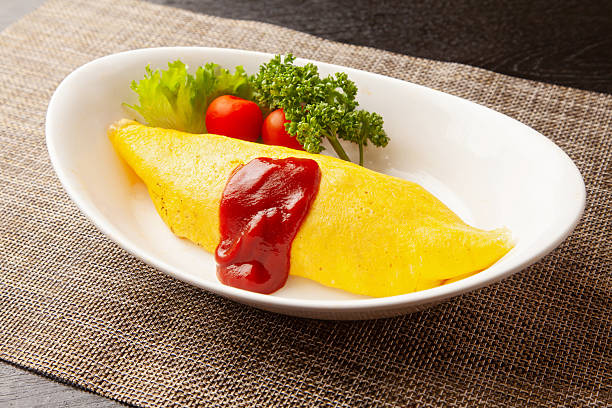
Omurice (オムライス), also known as Japanese omelette rice, is a delicious Japanese comfort food made by wrapping ketchup-seasoned fried rice inside a soft, golden omelette.
The name combines two English-inspired words: omu (omelette) and raisu (rice).
This popular dish brings together Japanese cooking creativity and Western-inspired flavours. Its colourful appearance, gentle sweetness, and satisfying combination of eggs and rice make it a favourite among children and adults.
A traditional serving usually includes:
- Fluffy scrambled or folded eggs.
- Chicken and vegetable fried rice.
- Tomato ketchup or Japanese-style sauce.
- A decorative drizzle of ketchup on top.
You can find omurice in Japanese family restaurants, cafés, speciality yoshoku restaurants, and home kitchens.
The magic of omurice is its simplicity: golden eggs, savoury rice, and a little tomato sweetness.
2. The History and Origin of Japanese Omurice
Omurice belongs to a Japanese food category called Yoshoku (洋食), which describes Western-inspired dishes adapted to Japanese tastes.
Its exact origin is debated. Tokyo’s Rengatei restaurant is associated with an early rice-and-egg dish around 1900, while Osaka’s Hokkyokusei is famous for developing the familiar ketchup-rice wrapped in an omelette style around 1925.
According to the story shared by Hokkyokusei, its founder, Shigeo Kitahashi, created the dish for a regular customer who repeatedly ordered plain rice and an omelette. He combined the two into a single, easy-to-eat meal.
The customer loved it, and omurice became a popular restaurant dish.
Today, it has developed into many different styles, from traditional folded omelettes to modern soft-centred egg presentations. <Cite refs={[“turn563219search1″,”turn563219search3″,”turn563219search5”]}/>
3. What Makes Omurice So Special?
Omurice is special because it combines simple ingredients in a beautifully balanced way.
| Component | Description |
|---|---|
| Japanese rice | Provides a soft and satisfying base. |
| Chicken | Adds savoury flavour and protein. |
| Ketchup | Gives the rice its signature sweet-tangy taste. |
| Onion | Adds natural sweetness. |
| Eggs | Create a soft, golden omelette. |
| Butter | Adds richness and aroma. |
| Parsley | Provides a fresh finishing touch. |
The contrast between colourful ketchup rice and silky yellow eggs makes omurice as attractive as it is delicious.
4. Ingredients Needed to Make Omurice at Home
This easy recipe makes two servings.
A. For the Ketchup Rice
| Ingredient | Quantity |
|---|---|
| Cooked Japanese short-grain rice | 300 g |
| Boneless chicken | 120 g |
| Onion | ½ medium |
| Green peas | 2 tablespoons |
| Tomato ketchup | 4 tablespoons |
| Worcestershire sauce | 1 teaspoon |
| Butter | 15 g |
| Salt and black pepper | To taste |
B. For the Omelette
| Ingredient | Quantity |
|---|---|
| Large eggs | 4 |
| Milk | 2 tablespoons |
| Butter | 20 g |
| Salt | A pinch |
| Black pepper | A pinch |
C. For Garnishing
- Extra tomato ketchup.
- Chopped fresh parsley.
- Optional Japanese demi-glace sauce.
5. How to Make Japanese Omurice Step by Step
Step 1: Prepare the Ingredients
Cut the chicken into small bite-sized pieces.
Finely chop the onion and prepare the green peas.
Beat the eggs with milk, salt, and black pepper in a separate bowl.
Step 2: Cook the Chicken and Vegetables
Melt butter in a frying pan over medium heat.
Add the onion and cook until soft.
Add the chicken and cook thoroughly. Mix in the green peas and season with salt and pepper.
Step 3: Prepare the Ketchup Rice
Add the cooked rice to the frying pan.
Pour in the tomato ketchup and Worcestershire sauce.
Stir everything together until the rice is evenly coated and heated through.
Taste and adjust the seasoning.
Step 4: Prepare the Omelette
Heat a non-stick frying pan over medium-low heat.
Add butter and pour in half of the beaten egg mixture.
Gently stir the eggs while moving the pan to create a soft, tender omelette.
Remove it from the heat when the eggs are almost set but still moist. Ensure the eggs reach a safe level of doneness.
Step 5: Assemble the Omurice
Place half of the ketchup rice in the centre of the omelette.
Carefully fold the edges over the rice using a spatula.
Slide the omelette onto a plate and shape it into an oval.
Repeat the process for the second serving.
Step 6: Add the Final Touch
Drizzle tomato ketchup over the omelette.
Sprinkle chopped parsley on top for colour and freshness.
Your homemade Japanese Omurice is ready to serve!
6. Popular Types of Omurice in Japan
Japanese restaurants have created several exciting versions of this classic dish.
| Type | Description |
|---|---|
| Classic Omurice | Ketchup rice wrapped in a thin omelette. |
| Tornado Omurice | Eggs arranged in a beautiful spiral shape. |
| Omurice with Demi-Glace | Served with a rich brown sauce. |
| Creamy Omurice | Features a soft, creamy egg topping. |
| Cheese Omurice | Includes melted cheese for extra richness. |
| Hayashi Omurice | Served with Japanese beef and tomato-based sauce. |
| Tampopo Omurice | Features a soft omelette placed over rice and opened before serving. |
One particularly famous variation is the modern soft-set omurice, where a delicate omelette is placed over the rice and opened at the table to reveal its creamy centre.
7. Omurice vs. Other Japanese Rice Dishes
Japan has many delicious rice-based meals, but each has a distinctive preparation style.
| Dish | Main Ingredients | Special Feature |
|---|---|---|
| Omurice | Rice, eggs, ketchup | Omelette-covered rice |
| Onigiri | Rice and fillings | Hand-shaped rice balls |
| Chahan | Rice, vegetables, eggs | Japanese-style fried rice |
| Kare Raisu | Rice and curry | Rich curry sauce |
| Donburi | Rice and toppings | Ingredients served over rice |
Omurice stands out because it combines fried rice and an omelette into one complete dish.
8. Professional Tips for Perfect Omurice
Want your homemade omurice to look and taste like a Japanese restaurant version? Follow these tips:
- Use Japanese short-grain rice: It gives the dish a pleasant, slightly sticky texture.
- Prefer cooled cooked rice: Properly cooled rice is easier to stir-fry without becoming mushy.
- Avoid too much ketchup: Excess sauce can make the rice wet.
- Cut ingredients evenly: Small pieces distribute flavour throughout the rice.
- Control the heat: Medium-low heat helps create tender eggs.
- Use a non-stick pan: It makes folding and shaping much easier.
- Serve immediately: Freshly prepared eggs have the best texture.
Chef’s tip: Prepare the ketchup rice first and keep it warm. This allows you to concentrate on cooking the omelette at the last moment.
9. A Little Story: A Comforting Meal in a Tokyo Café
Imagine entering a small Japanese café on a rainy afternoon.
Outside, people hurry through the streets with umbrellas, while inside the café, the atmosphere feels warm and peaceful.
You open the menu and notice a colourful photograph of omurice.
A few minutes later, a plate arrives with golden eggs wrapped around a mound of bright red ketchup rice. A beautiful ketchup pattern decorates the top.
You cut through the soft omelette and mix a little egg with the savoury rice.
Each spoonful brings a comforting combination of sweetness, buttery flavour, and warmth.
It is not an expensive or complicated meal, but it makes an ordinary afternoon feel special.
That is the beauty of omurice: a simple Japanese dish that feels like home.
10. Frequently Asked Questions (FAQs)
Q1. What does Omurice mean in Japanese?
Omurice combines the words omelette and rice. It refers to Japanese-style omelette rice.
Q2. Is omurice originally Japanese?
Yes. It developed in Japan as part of the yoshoku tradition, which adapts Western-inspired dishes to Japanese tastes.
Q3. What type of rice is best for omurice?
Japanese short-grain rice is an excellent choice because it provides the right texture for stir-frying and serving beneath the omelette.
Q4. Why is ketchup used in omurice?
Ketchup provides a sweet and slightly tangy flavour that complements the chicken, vegetables, and eggs.
Q5. Can I make vegetarian omurice?
Absolutely! Replace chicken with mushrooms, carrots, corn, peas, or other vegetables.
Q6. What sauce goes best with omurice?
Tomato ketchup is traditional in many home-style versions. Demi-glace sauce and creamy sauces are also popular restaurant options.
Q7. Is omurice served for breakfast or dinner?
It can be enjoyed for lunch or dinner and is also popular as a family meal.
11. Final Thoughts
Omurice (Japanese Omelette Rice) オムライス is a wonderful example of how Japan transforms simple ingredients into memorable comfort food.
Its golden omelette, savoury ketchup rice, and beautiful presentation have made it a favourite in Japanese homes and restaurants.
Whether you prefer the traditional folded version, a creamy soft-centred omelette, or a rich demi-glace variation, omurice offers something delicious for everyone.
Try making it at home and discover why this classic Japanese dish continues to bring happiness to dining tables.
Explore more Japanese food traditions, authentic recipes, and culinary guides at JapanFoodGuide.com.
Helpful Resources and Further Reading
- Japan Government Online – Omurice: A Dish Created Out of Kindness
- Taste of Japan – Official Omurice Recipe
- Just One Cookbook – Omurice Japanese Omelette Rice
- The Japan Times – Soft-Set Omurice
- Osaka Info – History of Omurice
This article is independently written for JapanFoodGuide.com. Historical information is based on the linked sources, while the recipe and explanations are presented in original wording.
Leave a Reply